
.png)




Close
.svg)


I didn’t start in Learning & Development.
Like many in this industry, I started on the production side — working through loans, navigating guidelines, and solving problems in real time. I learned quickly that success in mortgage lending isn’t just about knowing the process. It’s about understanding it deeply enough to adapt when it inevitably changes.
And it always does.
That experience is what ultimately led me to Learning & Development — because I saw firsthand that the difference between a good team and a great one isn’t just experience.
It’s education.
In mortgage lending, change isn’t occasional — it’s constant.
Interest rates fluctuate. Housing demand shifts. Regulatory expectations evolve. Political priorities redefine the landscape. What worked last year may not work next quarter.
Because learning doesn’t stop after the first 30, 60, or 90 days.
And yet, through all of this, we are expected to deliver something remarkably consistent:
Clarity.
Confidence.
Guidance.
For our borrowers and clients.
That level of consistency isn’t accidental. It’s built intentionally — through structured, ongoing education.
When I transitioned into Learning & Development, I carried that perspective with me.
I wasn’t interested in building training that simply transferred information. I wanted to build programs that reflected the real conditions our team members operate in — fast-paced, nuanced, and constantly evolving.
That’s what led to the development of structured learning pathways and a formal Continuing Education (CE) program — one that extends beyond onboarding and supports team members throughout their careers.
Because learning doesn’t stop after the first 30, 60, or 90 days.
In this industry, it can’t.
One of the most important lessons along the way has been this:
Training should never be one-size-fits-all.
Sales roles and operational roles require different strengths, different decision-making frameworks, and different ways of applying knowledge.
A sales-focused team member needs to simplify complexity, guide borrowers, and build trust through clear communication
A processing or underwriting team member must analyze details, ensure compliance, and make precise, risk-aware decisions
Both are critical. But they require tailored learning experiences.
The goal isn’t uniformity in training — it’s alignment in outcomes.
When each role is supported in a way that reflects how they work, the entire organization moves more cohesively — and delivers a more consistent experience to the borrower.
In a highly regulated industry like mortgage lending, the importance of education goes far beyond development — it directly impacts risk.
Guidelines change. Regulations evolve. Expectations increase.
Without consistent, structured learning, even the most well-intentioned team member can create exposure simply by relying on outdated information or inconsistent practices.
Education mitigates that risk.
It ensures that updates are not only communicated — but understood, applied, and reinforced.
The role of internal audit must evolve into a proactive risk function.
And when education is paired with tracking, accountability, and continuous reinforcement, it becomes one of the strongest safeguards an organization can have.
What I have come to appreciate most is how directly education influences the borrower experience.
A mortgage transaction is complex and often emotional. For many borrowers, it represents one of the most significant financial decisions they will ever make.
When team members are well-trained:
They can explain the process clearly
They can anticipate questions before they arise
They can guide with confidence instead of hesitation
And that confidence translates.
Beyond technical knowledge, emotional intelligence plays a critical role here. As a leader, it’s something I am constantly working to strengthen — because how we communicate, empathize, and respond matters just as much as what we know.
In fact, one phrase I often share with my team members is: “Get comfortable with being uncomfortable.”
Because growth — whether in knowledge, communication, or leadership — often happens just outside of that comfort zone.
At its core, the goal is simple:
Create a learning environment where every team member — regardless of role — operates with confidence, clarity, and consistency.
That means:
Reinforcing foundational knowledge while continuously introducing updates
Aligning communication, processes, and expectations across roles
Embedding learning into daily operations — not treating it as a separate event
When done well, education becomes part of the culture.
And culture is what sustains performance through change.
We cannot control market cycles.
We cannot control interest rates.
We cannot control regulatory change.
But we can control how prepared we are.
In an industry defined by change, education is not optional — it is essential.
My journey from production to Learning & Development reinforced one simple truth:
In an industry defined by change, education is not optional — it is essential.
It is what allows team members to adapt, organizations to remain resilient, and borrowers to feel confident in moments that matter most.
Because in mortgage lending, the environment will always evolve.
But the commitment to learning?
That should never change.



I didn’t start in Learning & Development.
Like many in this industry, I started on the production side — working through loans, navigating guidelines, and solving problems in real time. I learned quickly that success in mortgage lending isn’t just about knowing the process. It’s about understanding it deeply enough to adapt when it inevitably changes.
And it always does.
That experience is what ultimately led me to Learning & Development — because I saw firsthand that the difference between a good team and a great one isn’t just experience.
It’s education.
In mortgage lending, change isn’t occasional — it’s constant.
Interest rates fluctuate. Housing demand shifts. Regulatory expectations evolve. Political priorities redefine the landscape. What worked last year may not work next quarter.
Because learning doesn’t stop after the first 30, 60, or 90 days.
And yet, through all of this, we are expected to deliver something remarkably consistent:
Clarity.
Confidence.
Guidance.
For our borrowers and clients.
That level of consistency isn’t accidental. It’s built intentionally — through structured, ongoing education.
When I transitioned into Learning & Development, I carried that perspective with me.
I wasn’t interested in building training that simply transferred information. I wanted to build programs that reflected the real conditions our team members operate in — fast-paced, nuanced, and constantly evolving.
That’s what led to the development of structured learning pathways and a formal Continuing Education (CE) program — one that extends beyond onboarding and supports team members throughout their careers.
Because learning doesn’t stop after the first 30, 60, or 90 days.
In this industry, it can’t.
One of the most important lessons along the way has been this:
Training should never be one-size-fits-all.
Sales roles and operational roles require different strengths, different decision-making frameworks, and different ways of applying knowledge.
A sales-focused team member needs to simplify complexity, guide borrowers, and build trust through clear communication
A processing or underwriting team member must analyze details, ensure compliance, and make precise, risk-aware decisions
Both are critical. But they require tailored learning experiences.
The goal isn’t uniformity in training — it’s alignment in outcomes.
When each role is supported in a way that reflects how they work, the entire organization moves more cohesively — and delivers a more consistent experience to the borrower.
In a highly regulated industry like mortgage lending, the importance of education goes far beyond development — it directly impacts risk.
Guidelines change. Regulations evolve. Expectations increase.
Without consistent, structured learning, even the most well-intentioned team member can create exposure simply by relying on outdated information or inconsistent practices.
Education mitigates that risk.
It ensures that updates are not only communicated — but understood, applied, and reinforced.
The role of internal audit must evolve into a proactive risk function.
And when education is paired with tracking, accountability, and continuous reinforcement, it becomes one of the strongest safeguards an organization can have.
What I have come to appreciate most is how directly education influences the borrower experience.
A mortgage transaction is complex and often emotional. For many borrowers, it represents one of the most significant financial decisions they will ever make.
When team members are well-trained:
They can explain the process clearly
They can anticipate questions before they arise
They can guide with confidence instead of hesitation
And that confidence translates.
Beyond technical knowledge, emotional intelligence plays a critical role here. As a leader, it’s something I am constantly working to strengthen — because how we communicate, empathize, and respond matters just as much as what we know.
In fact, one phrase I often share with my team members is: “Get comfortable with being uncomfortable.”
Because growth — whether in knowledge, communication, or leadership — often happens just outside of that comfort zone.
At its core, the goal is simple:
Create a learning environment where every team member — regardless of role — operates with confidence, clarity, and consistency.
That means:
Reinforcing foundational knowledge while continuously introducing updates
Aligning communication, processes, and expectations across roles
Embedding learning into daily operations — not treating it as a separate event
When done well, education becomes part of the culture.
And culture is what sustains performance through change.
We cannot control market cycles.
We cannot control interest rates.
We cannot control regulatory change.
But we can control how prepared we are.
In an industry defined by change, education is not optional — it is essential.
My journey from production to Learning & Development reinforced one simple truth:
In an industry defined by change, education is not optional — it is essential.
It is what allows team members to adapt, organizations to remain resilient, and borrowers to feel confident in moments that matter most.
Because in mortgage lending, the environment will always evolve.
But the commitment to learning?
That should never change.
I didn’t start in Learning & Development.
Like many in this industry, I started on the production side — working through loans, navigating guidelines, and solving problems in real time. I learned quickly that success in mortgage lending isn’t just about knowing the process. It’s about understanding it deeply enough to adapt when it inevitably changes.
And it always does.
That experience is what ultimately led me to Learning & Development — because I saw firsthand that the difference between a good team and a great one isn’t just experience.
It’s education.
In mortgage lending, change isn’t occasional — it’s constant.
Interest rates fluctuate. Housing demand shifts. Regulatory expectations evolve. Political priorities redefine the landscape. What worked last year may not work next quarter.
Because learning doesn’t stop after the first 30, 60, or 90 days.
And yet, through all of this, we are expected to deliver something remarkably consistent:
Clarity.
Confidence.
Guidance.
For our borrowers and clients.
That level of consistency isn’t accidental. It’s built intentionally — through structured, ongoing education.
When I transitioned into Learning & Development, I carried that perspective with me.
I wasn’t interested in building training that simply transferred information. I wanted to build programs that reflected the real conditions our team members operate in — fast-paced, nuanced, and constantly evolving.
That’s what led to the development of structured learning pathways and a formal Continuing Education (CE) program — one that extends beyond onboarding and supports team members throughout their careers.
Because learning doesn’t stop after the first 30, 60, or 90 days.
In this industry, it can’t.
One of the most important lessons along the way has been this:
Training should never be one-size-fits-all.
Sales roles and operational roles require different strengths, different decision-making frameworks, and different ways of applying knowledge.
A sales-focused team member needs to simplify complexity, guide borrowers, and build trust through clear communication
A processing or underwriting team member must analyze details, ensure compliance, and make precise, risk-aware decisions
Both are critical. But they require tailored learning experiences.
The goal isn’t uniformity in training — it’s alignment in outcomes.
When each role is supported in a way that reflects how they work, the entire organization moves more cohesively — and delivers a more consistent experience to the borrower.
In a highly regulated industry like mortgage lending, the importance of education goes far beyond development — it directly impacts risk.
Guidelines change. Regulations evolve. Expectations increase.
Without consistent, structured learning, even the most well-intentioned team member can create exposure simply by relying on outdated information or inconsistent practices.
Education mitigates that risk.
It ensures that updates are not only communicated — but understood, applied, and reinforced.
The role of internal audit must evolve into a proactive risk function.
And when education is paired with tracking, accountability, and continuous reinforcement, it becomes one of the strongest safeguards an organization can have.
What I have come to appreciate most is how directly education influences the borrower experience.
A mortgage transaction is complex and often emotional. For many borrowers, it represents one of the most significant financial decisions they will ever make.
When team members are well-trained:
They can explain the process clearly
They can anticipate questions before they arise
They can guide with confidence instead of hesitation
And that confidence translates.
Beyond technical knowledge, emotional intelligence plays a critical role here. As a leader, it’s something I am constantly working to strengthen — because how we communicate, empathize, and respond matters just as much as what we know.
In fact, one phrase I often share with my team members is: “Get comfortable with being uncomfortable.”
Because growth — whether in knowledge, communication, or leadership — often happens just outside of that comfort zone.
At its core, the goal is simple:
Create a learning environment where every team member — regardless of role — operates with confidence, clarity, and consistency.
That means:
Reinforcing foundational knowledge while continuously introducing updates
Aligning communication, processes, and expectations across roles
Embedding learning into daily operations — not treating it as a separate event
When done well, education becomes part of the culture.
And culture is what sustains performance through change.
We cannot control market cycles.
We cannot control interest rates.
We cannot control regulatory change.
But we can control how prepared we are.
In an industry defined by change, education is not optional — it is essential.
My journey from production to Learning & Development reinforced one simple truth:
In an industry defined by change, education is not optional — it is essential.
It is what allows team members to adapt, organizations to remain resilient, and borrowers to feel confident in moments that matter most.
Because in mortgage lending, the environment will always evolve.
But the commitment to learning?
That should never change.
I didn’t start in Learning & Development.
Like many in this industry, I started on the production side — working through loans, navigating guidelines, and solving problems in real time. I learned quickly that success in mortgage lending isn’t just about knowing the process. It’s about understanding it deeply enough to adapt when it inevitably changes.
And it always does.
That experience is what ultimately led me to Learning & Development — because I saw firsthand that the difference between a good team and a great one isn’t just experience.
It’s education.
In mortgage lending, change isn’t occasional — it’s constant.
Interest rates fluctuate. Housing demand shifts. Regulatory expectations evolve. Political priorities redefine the landscape. What worked last year may not work next quarter.
Because learning doesn’t stop after the first 30, 60, or 90 days.
And yet, through all of this, we are expected to deliver something remarkably consistent:
Clarity.
Confidence.
Guidance.
For our borrowers and clients.
That level of consistency isn’t accidental. It’s built intentionally — through structured, ongoing education.
When I transitioned into Learning & Development, I carried that perspective with me.
I wasn’t interested in building training that simply transferred information. I wanted to build programs that reflected the real conditions our team members operate in — fast-paced, nuanced, and constantly evolving.
That’s what led to the development of structured learning pathways and a formal Continuing Education (CE) program — one that extends beyond onboarding and supports team members throughout their careers.
Because learning doesn’t stop after the first 30, 60, or 90 days.
In this industry, it can’t.
One of the most important lessons along the way has been this:
Training should never be one-size-fits-all.
Sales roles and operational roles require different strengths, different decision-making frameworks, and different ways of applying knowledge.
A sales-focused team member needs to simplify complexity, guide borrowers, and build trust through clear communication
A processing or underwriting team member must analyze details, ensure compliance, and make precise, risk-aware decisions
Both are critical. But they require tailored learning experiences.
The goal isn’t uniformity in training — it’s alignment in outcomes.
When each role is supported in a way that reflects how they work, the entire organization moves more cohesively — and delivers a more consistent experience to the borrower.
In a highly regulated industry like mortgage lending, the importance of education goes far beyond development — it directly impacts risk.
Guidelines change. Regulations evolve. Expectations increase.
Without consistent, structured learning, even the most well-intentioned team member can create exposure simply by relying on outdated information or inconsistent practices.
Education mitigates that risk.
It ensures that updates are not only communicated — but understood, applied, and reinforced.
The role of internal audit must evolve into a proactive risk function.
And when education is paired with tracking, accountability, and continuous reinforcement, it becomes one of the strongest safeguards an organization can have.
What I have come to appreciate most is how directly education influences the borrower experience.
A mortgage transaction is complex and often emotional. For many borrowers, it represents one of the most significant financial decisions they will ever make.
When team members are well-trained:
They can explain the process clearly
They can anticipate questions before they arise
They can guide with confidence instead of hesitation
And that confidence translates.
Beyond technical knowledge, emotional intelligence plays a critical role here. As a leader, it’s something I am constantly working to strengthen — because how we communicate, empathize, and respond matters just as much as what we know.
In fact, one phrase I often share with my team members is: “Get comfortable with being uncomfortable.”
Because growth — whether in knowledge, communication, or leadership — often happens just outside of that comfort zone.
At its core, the goal is simple:
Create a learning environment where every team member — regardless of role — operates with confidence, clarity, and consistency.
That means:
Reinforcing foundational knowledge while continuously introducing updates
Aligning communication, processes, and expectations across roles
Embedding learning into daily operations — not treating it as a separate event
When done well, education becomes part of the culture.
And culture is what sustains performance through change.
We cannot control market cycles.
We cannot control interest rates.
We cannot control regulatory change.
But we can control how prepared we are.
In an industry defined by change, education is not optional — it is essential.
My journey from production to Learning & Development reinforced one simple truth:
In an industry defined by change, education is not optional — it is essential.
It is what allows team members to adapt, organizations to remain resilient, and borrowers to feel confident in moments that matter most.
Because in mortgage lending, the environment will always evolve.
But the commitment to learning?
That should never change.
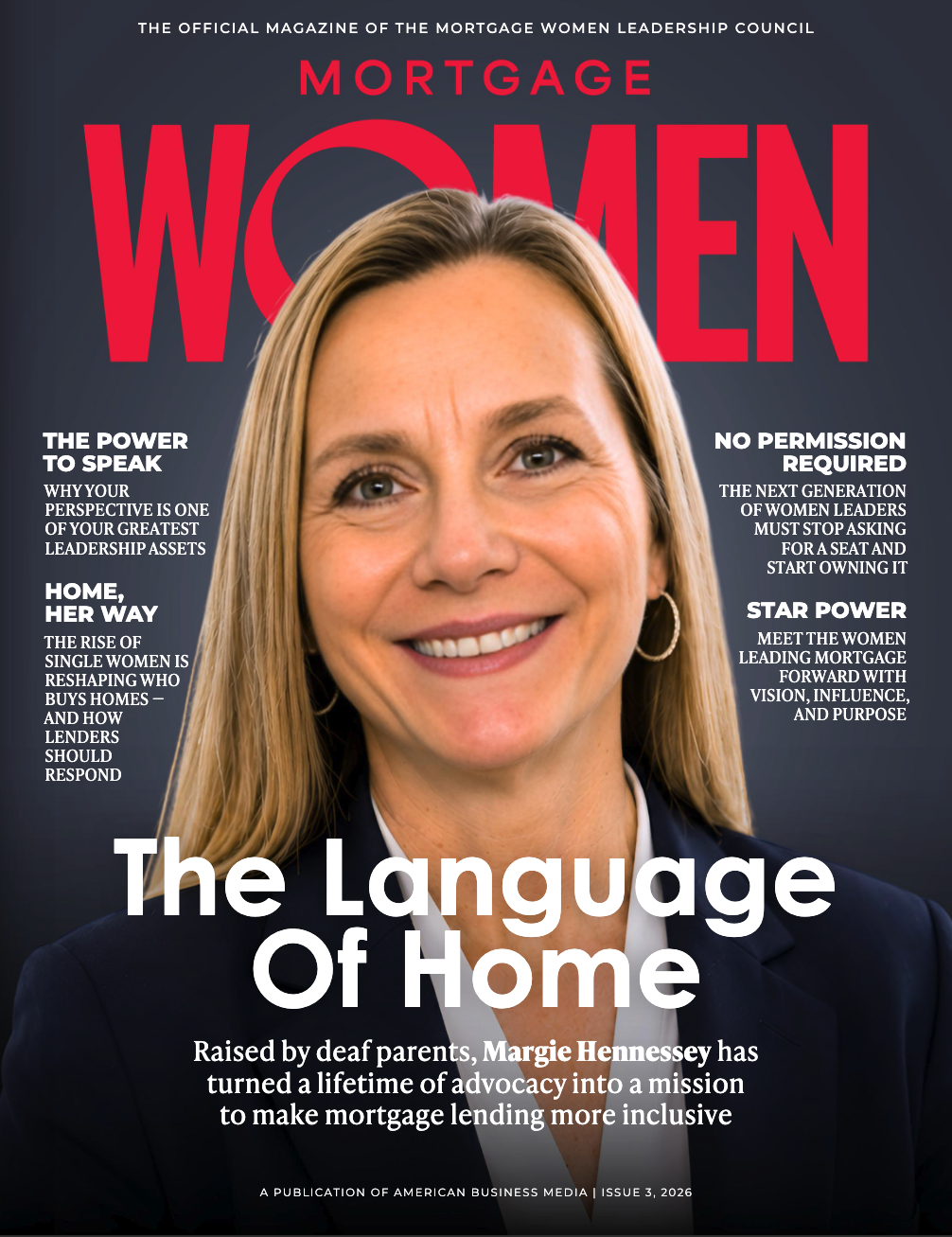

MaxClass is a woman-owned company, and we're offering MWLC members 65% off your continuing education when you use our code WOMENWIN.
MaxClass is a woman-owned company, and we're offering MWLC members 65% off your continuing education. Become a member for our unique code.



Single women are now buying more homes than single men

The new rules of mortgage brand awareness

Why women in mortgage are built to become trust architects


How to Build Influence, Drive Performance and Protect Your Time

The unexpected turns that led Mae Mackey to the industry

Why humanity is the most valuable currency in mortgage lending

Three women leaders on why curiosity, courage, and raising your hand matter more than checking every box

How resilience, adaptability, and voice powered Elizabeth Mix’s rise in mortgage banking
.png)
Why the long way around led to clarity, growth, and a more intentional mortgage career

Strong brands don’t just differentiate — they mentor, inspire, and transform the future of mortgage

The industry keeps repeating old mistakes. Here’s how lenders can pivot, prepare, and protect profitability

A surprisingly powerful break from the chaos of grown-up life.

From Charmed to the mortgage industry

A letter from the editor
MaxClass is a woman-owned company, and we're offering MWLC members 65% off your continuing education when you use our code WOMENWIN.
MaxClass is a woman-owned company, and we're offering MWLC members 65% off your continuing education. Become a member for our unique code.
.png)

The new rules of mortgage brand awareness

The strongest professional brands aren't manufactured — they're built on the qualities you already bring to every interaction
Why women in mortgage are built to become trust architects
A bold truth about women in mortgage leadership
.png)
The women whose vision, leadership, and influence are shaping mortgage’s future

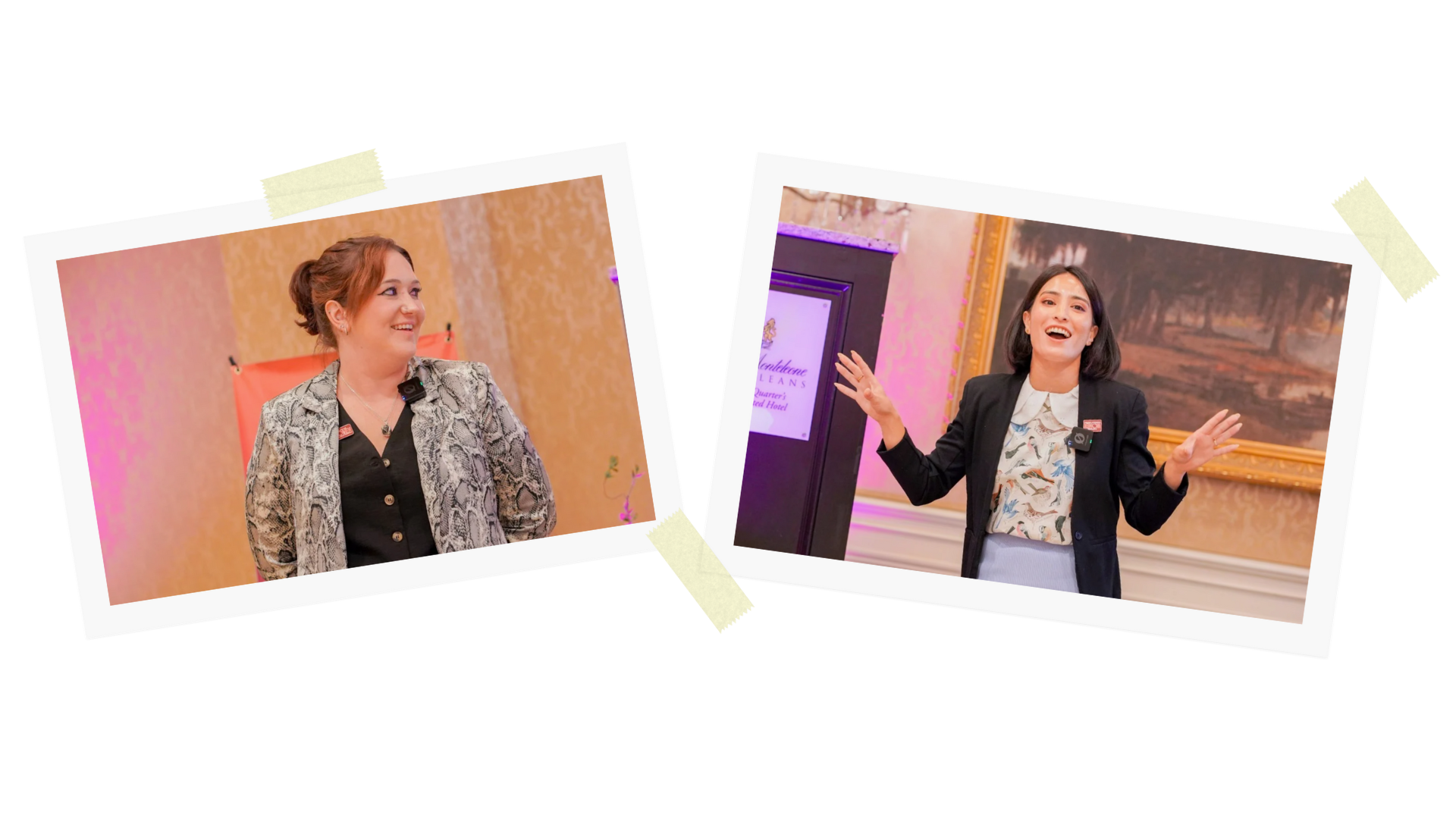
Hosted by the Mortgage Women Leadership Council at the Mortgage Star Conference in New Orleans, this panel explored how mortgage professionals can stand out by giving today's well-informed borrowers a clear, compelling reason to choose them.


.jpg)


.png)












.png)












.png)








.png)



Lorem ipsum dolor sit amet, consectetur adipiscing elit. Suspendisse varius enim in eros elementum tristique. Duis cursus, mi quis viverra ornare, eros dolor interdum nulla, ut commodo diam libero vitae erat. Aenean faucibus nibh et justo cursus id rutrum lorem imperdiet. Nunc ut sem vitae risus tristique posuere.
Lorem ipsum dolor sit amet, consectetur adipiscing elit. Suspendisse varius enim in eros elementum tristique. Duis cursus, mi quis viverra ornare, eros dolor interdum nulla, ut commodo diam libero vitae erat. Aenean faucibus nibh et justo cursus id rutrum lorem imperdiet. Nunc ut sem vitae risus tristique posuere.