

.png)




Close
.svg)


I’m often asked what sets Kind Lending apart from other mortgage companies. In an industry driven by rates, regulations, technology, and an ever-shifting market landscape, many assume that competitive advantage comes from whoever possesses the best rates, the next great system, product, or automation breakthrough. But there are some things we have no control of, such as market conditions. We have learned that the greatest return on investment doesn’t come from software or strategy — it comes from people. More specifically, it comes from a factor of which we have complete control; how we treat people.
People also ask, “Is Kind just a title? Are people really kind at your company?” Kindness is not a marketing tagline for us. It is a mandate.
And unlike a slogan, kindness cannot be put on like a jacket when it’s convenient. It must be lived, breathed, modeled, and felt. Authentic kindness — real, human kindness — requires presence. It requires listening. It requires seeing people for who they are, not just what they produce. And that presence has a measurable impact on everything from retention and productivity to innovation and customer loyalty.
In this industry, every company will eventually offer similar products, comparable pricing, competitive turn times, and efficient automation. Technology has leveled the playing field — and it will continue to do so. What cannot be automated, replicated, or replaced is the human nuance behind every great experience. Put simply: Human nuances matter.
AI cannot call someone who is grieving.
Automation cannot look an employee in the eye and say, “Your voice matters.”
Software cannot replace empathy, presence, or connection.
People also ask,
“Is Kind just a title?
Are people really kind at your company?”
Kindness is not a marketing tagline for us.
It is a mandate.
Kindness becomes an ROI driver when it shapes how people show up to work, how they treat one another, and how confidently they bring forward ideas. When employees feel valued, they give more discretionary effort, collaborate more effectively, and serve customers with genuine care. Kindness isn’t a feeling — it’s a performance multiplier.
Kindness begins with understanding what employees need most: to be seen, to be heard, and to know they matter.
People want to contribute. They want their voice to count. They want leaders who don’t just say they care — but demonstrate it consistently.
Servant Leadership is crucial not as a concept we reference occasionally, but as the backbone of how we operate. We ask for employee feedback often. We don’t have an ego in the game. We believe great ideas come from everyone. And we want our employees to be successful. The more we know, the more we can grow. The more systems, programs, and past experiences they bring forward, the better we can become — together.
We refer to our team members as Kind Ambassadors because the way we show up each day influences everything we touch — from culture and productivity to customer experience.
Being a Kind Ambassador means more than representing a brand. It means adopting a mindset of positivity, integrity, and accountability. It means approaching challenges with empathy. It means understanding that kindness is not passive — it’s powerful.
Culture isn’t built in all-hands meetings or quarterly memos. It’s built through thousands of small moments that communicate, “We see you. We know you. We’re glad you’re here.”
One of the clearest ways to show people they matter is to give them access.
At Kind Lending, employees receive our direct cell phone numbers — not as a gesture, but as an invitation. We want their ideas. We want to hear their frustrations. We want them to know leadership is reachable and responsive.
We conduct surveys that go far beyond job satisfaction. We ask about favorite things and dreams: movies, travel bucket lists, favorite flowers, pets’ names, milestones, books, quotes, and personal preferences. We do this because leaders should know the human being behind the title.
Every day, we highlight birthdays and personal details in a company-wide message. When someone loses a loved one, flowers are sent. When babies are born or marriages are made, we celebrate. When an employee is struggling, managers alert us — and a member of our leadership team personally checks in. With over 1,000 employees, this level of care takes time. But it pays dividends that no technology or automation can replicate.
Research across industries is clear:
Employees who feel valued are more productive.
Teams that trust leadership innovate more.
Companies rooted in empathy experience stronger retention.
Kindness becomes an ROI driver when it shapes how people show up to work, how they treat one another, and how confidently they bring forward ideas.
Kindness increases psychological safety, which increases performance.
But beyond the data, the truth is simpler:
People stay where they feel cared for.
When employees know they matter, it shows in their work. Customers feel it. Partners feel it. Culture strengthens. Teams stabilize. Momentum builds.
This is why kindness is not soft. Kindness is a strategy.
Kindness remains the differentiator — and the ultimate ROI.
In a world that is increasingly digital and transactional, we choose to invest in the one thing that will never lose its value: people. And the return we see every day — in culture, performance, and loyalty — proves that kindness isn’t just the right thing to do … it’s the smartest investment we can make.
Mindy Stearns is chief kindness officer at Kind Lending.
I’m often asked what sets Kind Lending apart from other mortgage companies. In an industry driven by rates, regulations, technology, and an ever-shifting market landscape, many assume that competitive advantage comes from whoever possesses the best rates, the next great system, product, or automation breakthrough. But there are some things we have no control of, such as market conditions. We have learned that the greatest return on investment doesn’t come from software or strategy — it comes from people. More specifically, it comes from a factor of which we have complete control; how we treat people.
People also ask, “Is Kind just a title? Are people really kind at your company?” Kindness is not a marketing tagline for us. It is a mandate.
And unlike a slogan, kindness cannot be put on like a jacket when it’s convenient. It must be lived, breathed, modeled, and felt. Authentic kindness — real, human kindness — requires presence. It requires listening. It requires seeing people for who they are, not just what they produce. And that presence has a measurable impact on everything from retention and productivity to innovation and customer loyalty.
In this industry, every company will eventually offer similar products, comparable pricing, competitive turn times, and efficient automation. Technology has leveled the playing field — and it will continue to do so. What cannot be automated, replicated, or replaced is the human nuance behind every great experience. Put simply: Human nuances matter.
AI cannot call someone who is grieving.
Automation cannot look an employee in the eye and say, “Your voice matters.”
Software cannot replace empathy, presence, or connection.
People also ask,
“Is Kind just a title?
Are people really kind at your company?”
Kindness is not a marketing tagline for us.
It is a mandate.
Kindness becomes an ROI driver when it shapes how people show up to work, how they treat one another, and how confidently they bring forward ideas. When employees feel valued, they give more discretionary effort, collaborate more effectively, and serve customers with genuine care. Kindness isn’t a feeling — it’s a performance multiplier.
Kindness begins with understanding what employees need most: to be seen, to be heard, and to know they matter.
People want to contribute. They want their voice to count. They want leaders who don’t just say they care — but demonstrate it consistently.
Servant Leadership is crucial not as a concept we reference occasionally, but as the backbone of how we operate. We ask for employee feedback often. We don’t have an ego in the game. We believe great ideas come from everyone. And we want our employees to be successful. The more we know, the more we can grow. The more systems, programs, and past experiences they bring forward, the better we can become — together.
We refer to our team members as Kind Ambassadors because the way we show up each day influences everything we touch — from culture and productivity to customer experience.
Being a Kind Ambassador means more than representing a brand. It means adopting a mindset of positivity, integrity, and accountability. It means approaching challenges with empathy. It means understanding that kindness is not passive — it’s powerful.
Culture isn’t built in all-hands meetings or quarterly memos. It’s built through thousands of small moments that communicate, “We see you. We know you. We’re glad you’re here.”
One of the clearest ways to show people they matter is to give them access.
At Kind Lending, employees receive our direct cell phone numbers — not as a gesture, but as an invitation. We want their ideas. We want to hear their frustrations. We want them to know leadership is reachable and responsive.
We conduct surveys that go far beyond job satisfaction. We ask about favorite things and dreams: movies, travel bucket lists, favorite flowers, pets’ names, milestones, books, quotes, and personal preferences. We do this because leaders should know the human being behind the title.
Every day, we highlight birthdays and personal details in a company-wide message. When someone loses a loved one, flowers are sent. When babies are born or marriages are made, we celebrate. When an employee is struggling, managers alert us — and a member of our leadership team personally checks in. With over 1,000 employees, this level of care takes time. But it pays dividends that no technology or automation can replicate.
Research across industries is clear:
Employees who feel valued are more productive.
Teams that trust leadership innovate more.
Companies rooted in empathy experience stronger retention.
Kindness becomes an ROI driver when it shapes how people show up to work, how they treat one another, and how confidently they bring forward ideas.
Kindness increases psychological safety, which increases performance.
But beyond the data, the truth is simpler:
People stay where they feel cared for.
When employees know they matter, it shows in their work. Customers feel it. Partners feel it. Culture strengthens. Teams stabilize. Momentum builds.
This is why kindness is not soft. Kindness is a strategy.
Kindness remains the differentiator — and the ultimate ROI.
In a world that is increasingly digital and transactional, we choose to invest in the one thing that will never lose its value: people. And the return we see every day — in culture, performance, and loyalty — proves that kindness isn’t just the right thing to do … it’s the smartest investment we can make.
Mindy Stearns is chief kindness officer at Kind Lending.
I’m often asked what sets Kind Lending apart from other mortgage companies. In an industry driven by rates, regulations, technology, and an ever-shifting market landscape, many assume that competitive advantage comes from whoever possesses the best rates, the next great system, product, or automation breakthrough. But there are some things we have no control of, such as market conditions. We have learned that the greatest return on investment doesn’t come from software or strategy — it comes from people. More specifically, it comes from a factor of which we have complete control; how we treat people.
People also ask, “Is Kind just a title? Are people really kind at your company?” Kindness is not a marketing tagline for us. It is a mandate.
And unlike a slogan, kindness cannot be put on like a jacket when it’s convenient. It must be lived, breathed, modeled, and felt. Authentic kindness — real, human kindness — requires presence. It requires listening. It requires seeing people for who they are, not just what they produce. And that presence has a measurable impact on everything from retention and productivity to innovation and customer loyalty.
In this industry, every company will eventually offer similar products, comparable pricing, competitive turn times, and efficient automation. Technology has leveled the playing field — and it will continue to do so. What cannot be automated, replicated, or replaced is the human nuance behind every great experience. Put simply: Human nuances matter.
AI cannot call someone who is grieving.
Automation cannot look an employee in the eye and say, “Your voice matters.”
Software cannot replace empathy, presence, or connection.
People also ask,
“Is Kind just a title?
Are people really kind at your company?”
Kindness is not a marketing tagline for us.
It is a mandate.
Kindness becomes an ROI driver when it shapes how people show up to work, how they treat one another, and how confidently they bring forward ideas. When employees feel valued, they give more discretionary effort, collaborate more effectively, and serve customers with genuine care. Kindness isn’t a feeling — it’s a performance multiplier.
Kindness begins with understanding what employees need most: to be seen, to be heard, and to know they matter.
People want to contribute. They want their voice to count. They want leaders who don’t just say they care — but demonstrate it consistently.
Servant Leadership is crucial not as a concept we reference occasionally, but as the backbone of how we operate. We ask for employee feedback often. We don’t have an ego in the game. We believe great ideas come from everyone. And we want our employees to be successful. The more we know, the more we can grow. The more systems, programs, and past experiences they bring forward, the better we can become — together.
We refer to our team members as Kind Ambassadors because the way we show up each day influences everything we touch — from culture and productivity to customer experience.
Being a Kind Ambassador means more than representing a brand. It means adopting a mindset of positivity, integrity, and accountability. It means approaching challenges with empathy. It means understanding that kindness is not passive — it’s powerful.
Culture isn’t built in all-hands meetings or quarterly memos. It’s built through thousands of small moments that communicate, “We see you. We know you. We’re glad you’re here.”
One of the clearest ways to show people they matter is to give them access.
At Kind Lending, employees receive our direct cell phone numbers — not as a gesture, but as an invitation. We want their ideas. We want to hear their frustrations. We want them to know leadership is reachable and responsive.
We conduct surveys that go far beyond job satisfaction. We ask about favorite things and dreams: movies, travel bucket lists, favorite flowers, pets’ names, milestones, books, quotes, and personal preferences. We do this because leaders should know the human being behind the title.
Every day, we highlight birthdays and personal details in a company-wide message. When someone loses a loved one, flowers are sent. When babies are born or marriages are made, we celebrate. When an employee is struggling, managers alert us — and a member of our leadership team personally checks in. With over 1,000 employees, this level of care takes time. But it pays dividends that no technology or automation can replicate.
Research across industries is clear:
Employees who feel valued are more productive.
Teams that trust leadership innovate more.
Companies rooted in empathy experience stronger retention.
Kindness becomes an ROI driver when it shapes how people show up to work, how they treat one another, and how confidently they bring forward ideas.
Kindness increases psychological safety, which increases performance.
But beyond the data, the truth is simpler:
People stay where they feel cared for.
When employees know they matter, it shows in their work. Customers feel it. Partners feel it. Culture strengthens. Teams stabilize. Momentum builds.
This is why kindness is not soft. Kindness is a strategy.
Kindness remains the differentiator — and the ultimate ROI.
In a world that is increasingly digital and transactional, we choose to invest in the one thing that will never lose its value: people. And the return we see every day — in culture, performance, and loyalty — proves that kindness isn’t just the right thing to do … it’s the smartest investment we can make.
Mindy Stearns is chief kindness officer at Kind Lending.
I’m often asked what sets Kind Lending apart from other mortgage companies. In an industry driven by rates, regulations, technology, and an ever-shifting market landscape, many assume that competitive advantage comes from whoever possesses the best rates, the next great system, product, or automation breakthrough. But there are some things we have no control of, such as market conditions. We have learned that the greatest return on investment doesn’t come from software or strategy — it comes from people. More specifically, it comes from a factor of which we have complete control; how we treat people.
People also ask, “Is Kind just a title? Are people really kind at your company?” Kindness is not a marketing tagline for us. It is a mandate.
And unlike a slogan, kindness cannot be put on like a jacket when it’s convenient. It must be lived, breathed, modeled, and felt. Authentic kindness — real, human kindness — requires presence. It requires listening. It requires seeing people for who they are, not just what they produce. And that presence has a measurable impact on everything from retention and productivity to innovation and customer loyalty.
In this industry, every company will eventually offer similar products, comparable pricing, competitive turn times, and efficient automation. Technology has leveled the playing field — and it will continue to do so. What cannot be automated, replicated, or replaced is the human nuance behind every great experience. Put simply: Human nuances matter.
AI cannot call someone who is grieving.
Automation cannot look an employee in the eye and say, “Your voice matters.”
Software cannot replace empathy, presence, or connection.
People also ask,
“Is Kind just a title?
Are people really kind at your company?”
Kindness is not a marketing tagline for us.
It is a mandate.
Kindness becomes an ROI driver when it shapes how people show up to work, how they treat one another, and how confidently they bring forward ideas. When employees feel valued, they give more discretionary effort, collaborate more effectively, and serve customers with genuine care. Kindness isn’t a feeling — it’s a performance multiplier.
Kindness begins with understanding what employees need most: to be seen, to be heard, and to know they matter.
People want to contribute. They want their voice to count. They want leaders who don’t just say they care — but demonstrate it consistently.
Servant Leadership is crucial not as a concept we reference occasionally, but as the backbone of how we operate. We ask for employee feedback often. We don’t have an ego in the game. We believe great ideas come from everyone. And we want our employees to be successful. The more we know, the more we can grow. The more systems, programs, and past experiences they bring forward, the better we can become — together.
We refer to our team members as Kind Ambassadors because the way we show up each day influences everything we touch — from culture and productivity to customer experience.
Being a Kind Ambassador means more than representing a brand. It means adopting a mindset of positivity, integrity, and accountability. It means approaching challenges with empathy. It means understanding that kindness is not passive — it’s powerful.
Culture isn’t built in all-hands meetings or quarterly memos. It’s built through thousands of small moments that communicate, “We see you. We know you. We’re glad you’re here.”
One of the clearest ways to show people they matter is to give them access.
At Kind Lending, employees receive our direct cell phone numbers — not as a gesture, but as an invitation. We want their ideas. We want to hear their frustrations. We want them to know leadership is reachable and responsive.
We conduct surveys that go far beyond job satisfaction. We ask about favorite things and dreams: movies, travel bucket lists, favorite flowers, pets’ names, milestones, books, quotes, and personal preferences. We do this because leaders should know the human being behind the title.
Every day, we highlight birthdays and personal details in a company-wide message. When someone loses a loved one, flowers are sent. When babies are born or marriages are made, we celebrate. When an employee is struggling, managers alert us — and a member of our leadership team personally checks in. With over 1,000 employees, this level of care takes time. But it pays dividends that no technology or automation can replicate.
Research across industries is clear:
Employees who feel valued are more productive.
Teams that trust leadership innovate more.
Companies rooted in empathy experience stronger retention.
Kindness becomes an ROI driver when it shapes how people show up to work, how they treat one another, and how confidently they bring forward ideas.
Kindness increases psychological safety, which increases performance.
But beyond the data, the truth is simpler:
People stay where they feel cared for.
When employees know they matter, it shows in their work. Customers feel it. Partners feel it. Culture strengthens. Teams stabilize. Momentum builds.
This is why kindness is not soft. Kindness is a strategy.
Kindness remains the differentiator — and the ultimate ROI.
In a world that is increasingly digital and transactional, we choose to invest in the one thing that will never lose its value: people. And the return we see every day — in culture, performance, and loyalty — proves that kindness isn’t just the right thing to do … it’s the smartest investment we can make.
Mindy Stearns is chief kindness officer at Kind Lending.
.jpg)

MaxClass is a woman-owned company, and we're offering MWLC members 65% off your continuing education when you use our code WOMENWIN.
MaxClass is a woman-owned company, and we're offering MWLC members 65% off your continuing education. Become a member for our unique code.


Learning is a constant ever-evolving necessity in the industry


Single women are now buying more homes than single men

The new rules of mortgage brand awareness

Why women in mortgage are built to become trust architects
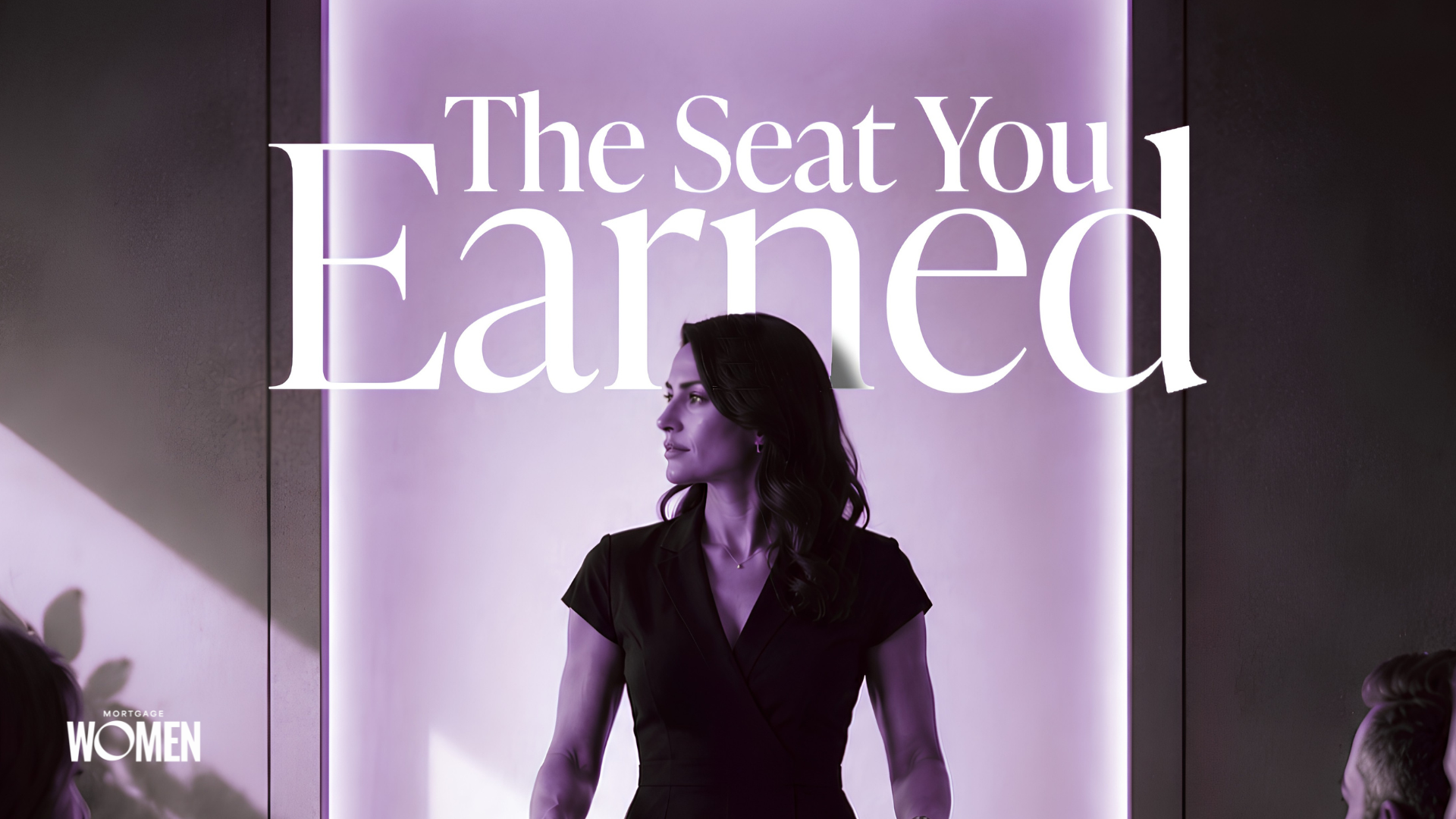

How to Build Influence, Drive Performance and Protect Your Time

The unexpected turns that led Mae Mackey to the industry

Three women leaders on why curiosity, courage, and raising your hand matter more than checking every box

How resilience, adaptability, and voice powered Elizabeth Mix’s rise in mortgage banking
.png)
Why the long way around led to clarity, growth, and a more intentional mortgage career

Strong brands don’t just differentiate — they mentor, inspire, and transform the future of mortgage

The industry keeps repeating old mistakes. Here’s how lenders can pivot, prepare, and protect profitability

A surprisingly powerful break from the chaos of grown-up life.

From Charmed to the mortgage industry

A letter from the editor
MaxClass is a woman-owned company, and we're offering MWLC members 65% off your continuing education when you use our code WOMENWIN.
MaxClass is a woman-owned company, and we're offering MWLC members 65% off your continuing education. Become a member for our unique code.
.png)

A surprisingly powerful break from the chaos of grown-up life.
From Charmed to the mortgage industry
.jpg)
Learn how to take control of your career, advocate for yourself, and navigate the path to advancement with confidence.

In saving Scarlett, I found the courage to see my own worth and to make space for what truly makes life meaningful.


.jpg)



.png)
.png)











.png)











.png)











.png)



Lorem ipsum dolor sit amet, consectetur adipiscing elit. Suspendisse varius enim in eros elementum tristique. Duis cursus, mi quis viverra ornare, eros dolor interdum nulla, ut commodo diam libero vitae erat. Aenean faucibus nibh et justo cursus id rutrum lorem imperdiet. Nunc ut sem vitae risus tristique posuere.
Lorem ipsum dolor sit amet, consectetur adipiscing elit. Suspendisse varius enim in eros elementum tristique. Duis cursus, mi quis viverra ornare, eros dolor interdum nulla, ut commodo diam libero vitae erat. Aenean faucibus nibh et justo cursus id rutrum lorem imperdiet. Nunc ut sem vitae risus tristique posuere.